Supply Chain Attacks: How Trusted Software Can Compromise You
18 September 2026
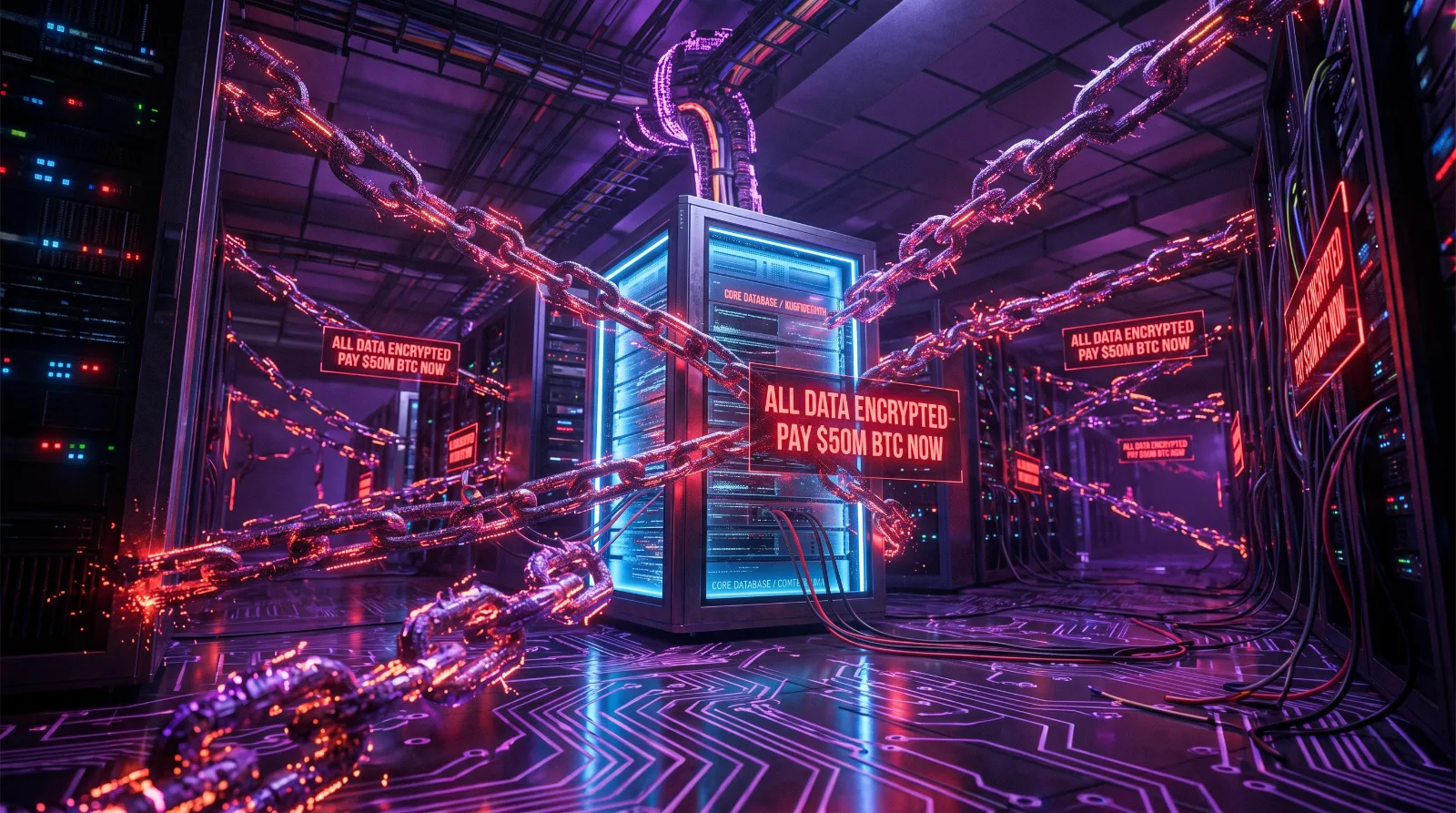
A supply chain attack targets you not directly, but through a trusted third party: a software dependency, an update server, a service provider. Even with no vulnerability in your own code, the compromise of a component you trust can spread to you. Many of the most damaging incidents of recent years are of this kind, because compromising a single supplier grants access to the hundreds of organisations that trust it.
How it happens
- Dependency compromise: an open-source package you use is compromised, or a malicious version is published; when you update, the code reaches you too.
- Update-mechanism abuse: breaking into a vendor’s update infrastructure to distribute a malicious update that appears legitimately signed.
- Provider access: a service provider integrated with you is compromised, and the access you granted is abused.
- Embedded third-party code: a script you add to your site (analytics, widget) is compromised.
Why it is so dangerous
Trust is how the supply chain works: you install dependencies, apply updates, grant providers access. When an attacker exploits that trust, they bypass most of your defences — because the code looks “internal” and “trusted.”
How to reduce it
- Know your dependencies (SBOM). A Software Bill of Materials lets you see what you use and whether you are affected when an advisory appears.
- Scan and pin dependencies. Detect known-vulnerable versions; pin versions to prevent unexpected changes.
- Use integrity verification. SRI (Subresource Integrity) for external scripts on the web; signatures/checksums for packages.
- Minimise third-party access. Grant providers only what they need; review integrations regularly.
- Evaluate updates for critical systems rather than applying them blindly.
Summary
Supply chain attacks hit you through a trusted component even when your own code is flawless. The defence is “managing trust”: know your dependencies (SBOM), scan and pin them, verify integrity, and minimise third-party access. There is no full immunity; the goal is that when a supplier falls, the impact on you stays contained.
Sources: CISA: Software Supply Chain Security, NIST Secure Software Development Framework.
Are the third-party scripts your site loads visible, and their integrity checked? CyberTestify’s external surface scan assesses externally loaded resources and missing integrity checks.